🏗️Systemic Analysis: Social Structures vs. Individual Autonomy
A structural deconstruction of behavioral engineering, neurochemical reinforcement, and the pursuit of individual autonomy within modern social architectures.
Executive Summary
This analysis examines prevalent social models not as inevitable biological laws, but as behavioral architecture. In many contexts, these structures are optimized for group management through specific psychological levers. However, their efficacy varies radically based on individual neurobiology and the degree of personal autonomy.
01. The Resource Distribution Algorithm
Conditional Scarcity Models
In certain hierarchical environments, power, status, and recognition are presented as finite resources. This creates an ecosystem oriented toward vertical competition.
* Systemic Logic: By creating a “bottleneck” for validation, specific structures mobilize individuals whose motivation is closely tied to external status markers.
* Variability: Human social organization forms are diverse. Many are based on horizontal cooperation and symbolic capital that may not be scarce at all within specific communities or subcultures.
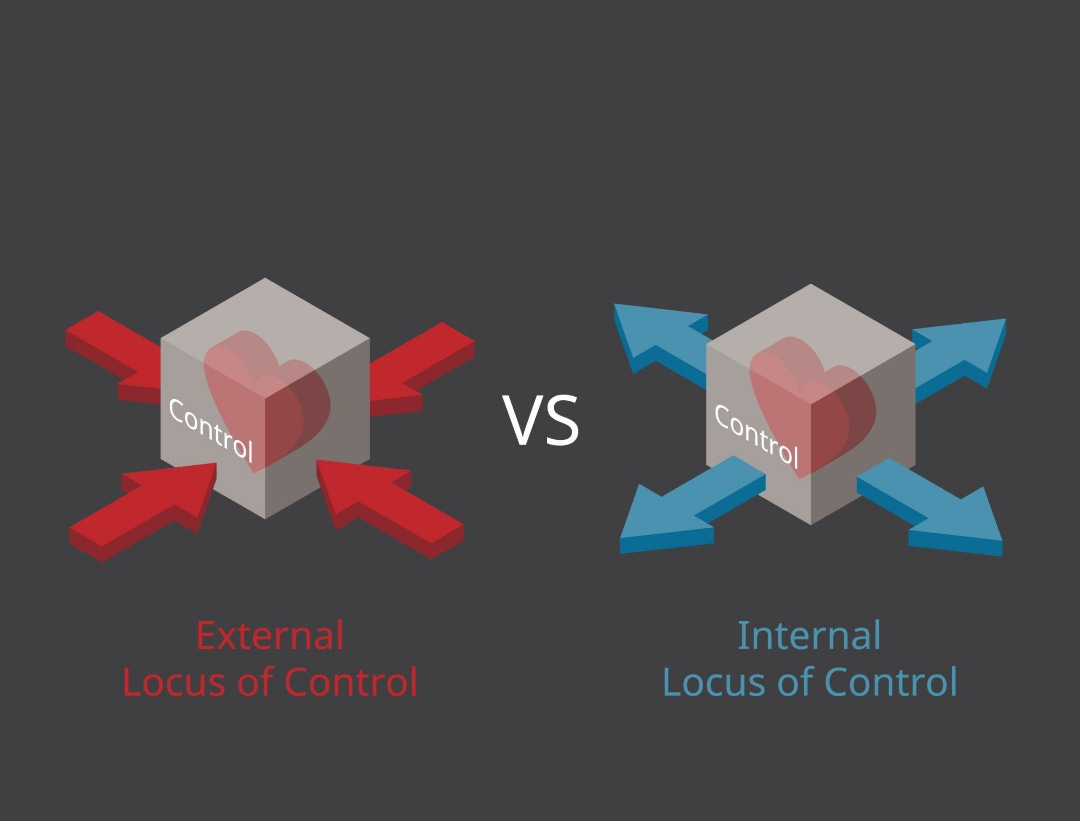
* The Autonomy Factor: Individuals with a high Internal Locus of Control often bypass this algorithm. If a subject does not base their self-worth on systemic hierarchy, the illusion of scarcity loses its manipulative power.
02. Neurochemical Sensitivity
Social Rewards and Reinforcement Schedules
In many cases, systemic incentives rely on the brain’s reward system; however, the response to these stimuli is dependent on individual neurochemical profiles and cultural backgrounds.
* The Mechanism: Social validation (recognition, digital reactions) can function as a Variable Reward, which in some instances leads to behavioral dependency.
* Cultural and Biological Variables: Sensitivity to social rewards is not universal. Cultural upbringing and neurodivergence (e.g., the Autism Spectrum) radically alter how social recognition is perceived as a stimulating factor.
* Autonomy: Conscious self-regulation allows an individual to manage their reactions to external stimuli rather than becoming a mechanical consumer of systemic “rewards.”
03. Contextual Adaptation
Fragmentation vs. Identity Integration
Phenomena such as the Doorway Effect describe the optimization of cognitive resources during environmental transitions. In many structures, this is utilized for strict role differentiation.
* Structural Impact: The sharp partitioning of life into work, family, and digital spheres encourages the formation of role-specific personas.
* Individual Difference: Not all individuals experience fragmentation equally. For some, changing context has only a minimal effect on identity, allowing them to maintain personal integrity across all environments.
* Autonomy: The Integrated Self consciously resists roles imposed by the environment and maintains a unified ethical core beyond any threshold.
04. Management of Biological Energy
Peak Productivity Cycles
The exchange of time for systemic resources is a choice based on the relationship between biological cycles and economic stability.
* Biological Framework: In many cases, the biological and cognitive peak can be viewed within the range of young adulthood, though this metric varies radically on an individual basis (e.g., the “late bloomer” phenomenon).
* Systemic Interest: In many contexts, social structures are oriented toward the maximum exploitation of this active phase.
* Autonomous Calculation: An individual decision to distance oneself from the system is a rational management of biological time—investing energy not in systemic symbols, but in a personal autonomous environment.
🔨 Strategic Conclusions
* Deconstruction of Symbolic Capital: Perceiving status markers as stimulating instruments rather than objective measures of personal worth.
* Identity Integration: Working on behavioral consistency so that fundamental principles do not shift according to social roles.
* Structural Realism: Understanding that social structures are often designed to offer ready-made models to the “average” subject. Autonomy begins where an individual accounts for their own neurochemical and psychological specificity and moves beyond these standard metrics.
Systems create frameworks, but exceptions define real possibilities.